Execution Visibility | Field Notes #001
The Visibility Gap I Couldn’t Ignore
July 2, 2026
Observations from the front lines of AI, workforce transformation, and organizational redesign.
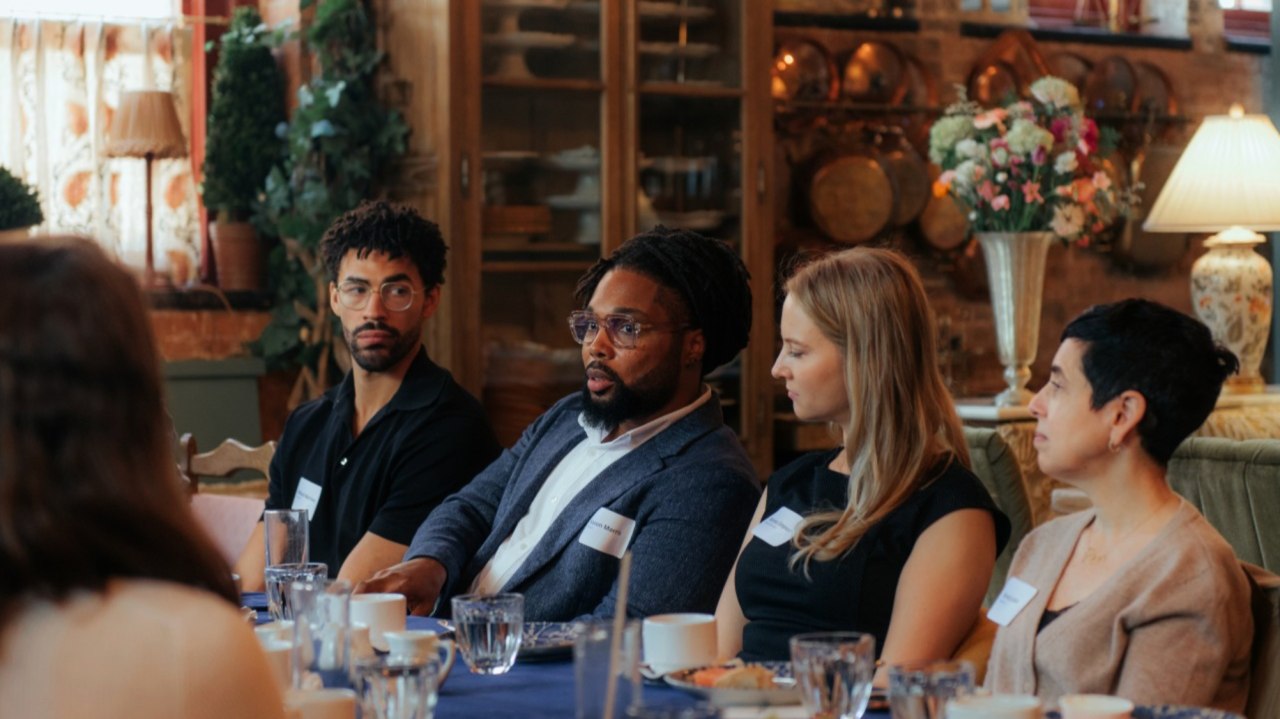
Over the past few weeks, I’ve had the opportunity to sit in on conversations with leaders from Microsoft, Workday, TechWolf, Merck, and several Fortune 500 organizations as they navigate AI, workforce transformation, and organizational redesign.
On the surface, the conversations looked very different. Some centered on AI. Others on skills. Some focused on job architecture, expertise mapping, workforce planning, or operating models.
Different industries. Different priorities. Different challenges. Yet every conversation eventually arrived at the same place. Not because someone planned it. Because the work demanded it.
No one could confidently answer one deceptively simple question:
How does work actually create value?
That question has stayed with me. Because organizations are investing billions of dollars into AI while making decisions about work they often cannot fully see.
Work Is Still Invisible
For years, we’ve built management systems around things that are relatively easy to observe. Organizational charts. Job descriptions. Skills inventories. Competency models. Performance ratings.
Those things matter. But they aren’t the work.
Work is what happens after the org chart ends. It’s the decisions. The handoffs. The dependencies. The conversations that never appear on a process map. The judgment people develop through experience. The moments where value is actually created.
Ironically, those are also the places where transformation succeeds—or quietly fails.
The Conversation Is Changing
For the past decade, we’ve been talking about becoming skills-based organizations. Today, I think the conversation is evolving again.
Organizations are beginning to ask different questions. Not simply “what skills do we have?” but “what work actually exists?”
That may sound like a subtle shift. I don’t think it is. Because AI doesn’t automate jobs. It automates tasks.
And tasks don’t exist in isolation. They exist inside workflows. Inside decisions. Inside relationships. Inside operating models.
Before we redesign work, we have to understand the work itself.
One Question Changed the Room
During one discussion, the conversation turned toward a familiar question: where can AI save the most time? It’s a reasonable question. Then someone reframed it.
Which work actually builds expertise?
The room went quiet. Because those are not the same question.
Some work should absolutely be automated. Some work develops judgment. Some work builds institutional knowledge. Some work creates future leaders.
If we automate every repetitive task without understanding what those tasks actually teach, we may gain short-term efficiency while unintentionally weakening long-term capability.
That may become one of the defining leadership challenges of the AI era.
What I Realized
For years, I believed organizations primarily struggled with skills. The longer I listened, the less convinced I became.
Skills weren’t the bottleneck. Visibility was. Most organizations don’t have a skills problem. They have a visibility problem.
They cannot consistently see:
- Where value is actually created
- Where work breaks down
- Where expertise develops
- Where judgment is formed
- Where AI creates leverage
- Where human capability must remain central
Without that visibility, every downstream decision becomes harder. Workforce planning. Role redesign. Learning investment. AI deployment. Operating model design. Everything becomes guesswork.
That’s When My Thinking Changed
Looking back over nearly two decades working across learning, leadership development, workforce transformation, talent marketplaces, skills intelligence, and organizational design, I realized these weren’t separate disciplines. They were different windows into the same challenge.
Organizations were trying to improve execution. They simply couldn’t see it clearly.
Over time, I began to describe that missing capability as Execution Visibility.
Execution Visibility is the discipline of understanding how work creates value, builds capability, and develops human judgment.
Work Intelligence helps organizations understand work. Execution Visibility helps leaders understand how work produces outcomes—and make better decisions about where humans and AI each create their greatest impact.
I don’t see these ideas competing. I believe they’re converging.
Four Questions Every Executive Team Will Soon Need to Answer
I don’t have all the answers. In fact, I suspect we’re only beginning to ask the right questions. But these conversations kept pointing me back to four questions I believe every leadership team will soon need to answer.
1. Where is value actually created? Not every task contributes equally. Before redesigning work, leaders need to understand where value truly emerges.
2. Which work should AI perform? Efficiency matters. But efficiency alone is not a strategy. The goal isn’t to automate everything. It’s to automate intentionally.
3. Which work develops human judgment? Judgment may become one of the scarcest organizational assets in the AI era. If AI removes every developmental “at bat,” where will tomorrow’s experts come from?
4. How do we redesign work without weakening capability? Transformation shouldn’t simply reduce work. It should strengthen the organization’s ability to execute over time.
The strongest organizations won’t simply deploy more AI. They’ll build better humans alongside it.
Why I’m Writing These Field Notes
Execution Visibility isn’t a finished framework. It’s an emerging discipline. These field notes are simply my way of documenting what I’m learning from organizations building the future of work in real time.
Not predictions. Not hype. Observations.
My hope is that these reflections help leaders make better decisions—not only about AI, but about the work itself.
Because I increasingly believe the organizations that lead the next decade won’t simply deploy more AI. They’ll understand their work better than everyone else. They’ll know where value is created. They’ll know where capability is built. They’ll know where human judgment matters most.
In other words: they’ll see the work. And because they can see it, they’ll build stronger human capability.
Questions I’m Thinking About
- Where does work actually create value in your organization?
- Which work should AI perform?
- Which work develops human judgment?
- What part of execution remains invisible today?
I’d love to hear what you’re seeing.
Originally posted on LinkedIn.